CMU Researchers Tackle the AI Energy Paradox: Using AI to Cut Data Center Power Demand
Carnegie Mellon researchers are developing AI-driven techniques to reduce data center energy consumption, addressing the growing tension between AI compute demand and grid capacity constraints.
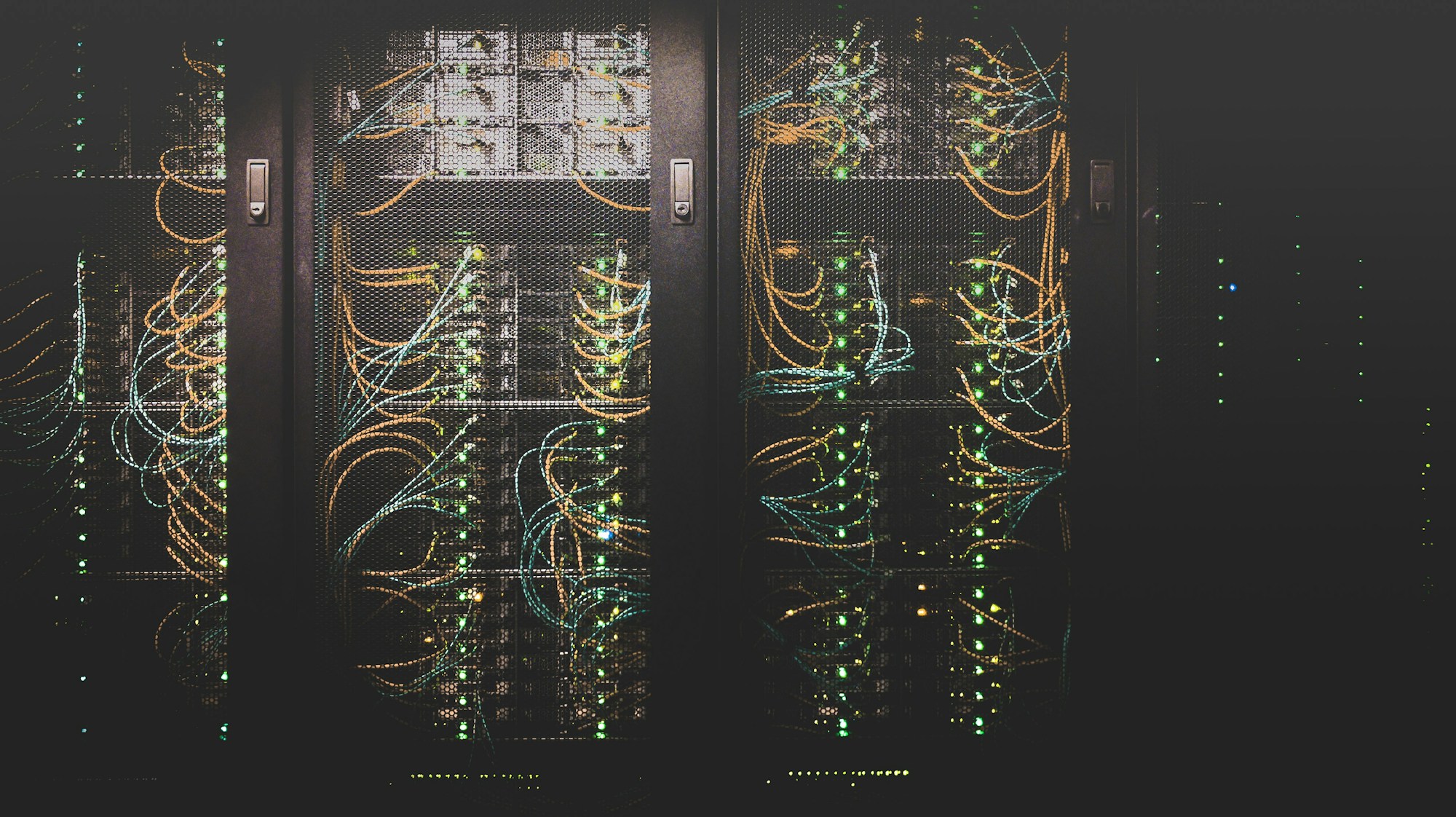
The energy math around AI infrastructure is becoming hard to ignore. Data centers supporting AI workloads are driving the first meaningful growth in U.S. electrical demand in two decades, and grid operators are scrambling to keep up. Carnegie Mellon University researchers are now working on what amounts to an AI-versus-AI problem: using machine learning to make AI data centers consume less power.
The research, detailed in a March 2026 announcement from CMU, focuses on multiple vectors for reducing data center energy demand — from workload scheduling and thermal management to hardware utilization optimization. The core insight is that AI workloads have characteristics that make them uniquely amenable to intelligent power management, if you can model their behavior accurately enough.
The Grid Strain Is Real
The numbers driving this research are stark. AI data center buildouts are restarting growth of what had been a largely stagnant U.S. electrical grid. Analysts at Bismarck Analysis estimate that AI-related power demand could add tens of gigawatts of load over the next five years — equivalent to the electricity consumption of several mid-sized states. That's triggering concerns from grid operators, regulators, and communities near proposed data center clusters.
DHL's announcement this month that it's adding over seven million square feet of data center logistics warehousing in North America underscores the physical scale of the buildout. This isn't an abstract infrastructure story — it's a massive construction and logistics effort with direct implications for power generation, transmission, and distribution.
AI Optimizing AI
CMU's approach treats data center energy consumption as an optimization problem that AI is well-suited to solve. Machine learning models can predict workload patterns, optimize cooling systems in real-time, and schedule compute jobs to align with periods of cheaper or cleaner electricity. The researchers are also exploring techniques for reducing the energy cost of model inference — which is the phase that scales with every API call and every user interaction.
The irony isn't lost on anyone: we're building AI to manage the energy demands created by AI. But the approach is sound. Grid-aware workload scheduling alone could reduce peak demand by meaningful percentages, and intelligent cooling optimization can cut the power overhead of thermal management — which accounts for 30-40% of total data center energy consumption in many facilities.
Implications for Industrial AI
For companies deploying AI in industrial settings, the energy question isn't academic. Factories running AI-powered quality inspection, predictive maintenance, or real-time process optimization need compute capacity — either on-premises edge infrastructure or cloud connections to data centers. If grid constraints start limiting data center expansion, it could create bottlenecks for industrial AI deployment, particularly in regions with tight power supply.
The CMU research represents one piece of a larger puzzle. Others include the expansion of renewable generation, the development of small modular reactors specifically for data center power, and the deployment of AI-driven smart grid management. The common thread is that AI's energy problem will likely be solved, at least in part, by AI itself.
Want deeper analysis?
VIP members get daily briefings, implementation playbooks, and vendor scorecards.
Unlock VIP AccessSiemens MindSphere
From $499/moIndustrial IoT platform for connecting machines and optimizing operations.
Try Free →