The Industrial Training Gap: Why VR Simulations Still Can't Replace the Shop Floor
Virtual reality training for industrial workers was supposed to be a solved problem by now. Siemens, Honeywell, and a wave of startups have poured hundreds of millions into immersive training platforms that promise to onboard new operators faster, reduce safety incidents, and preserve institutional knowledge as experienced workers retire. The
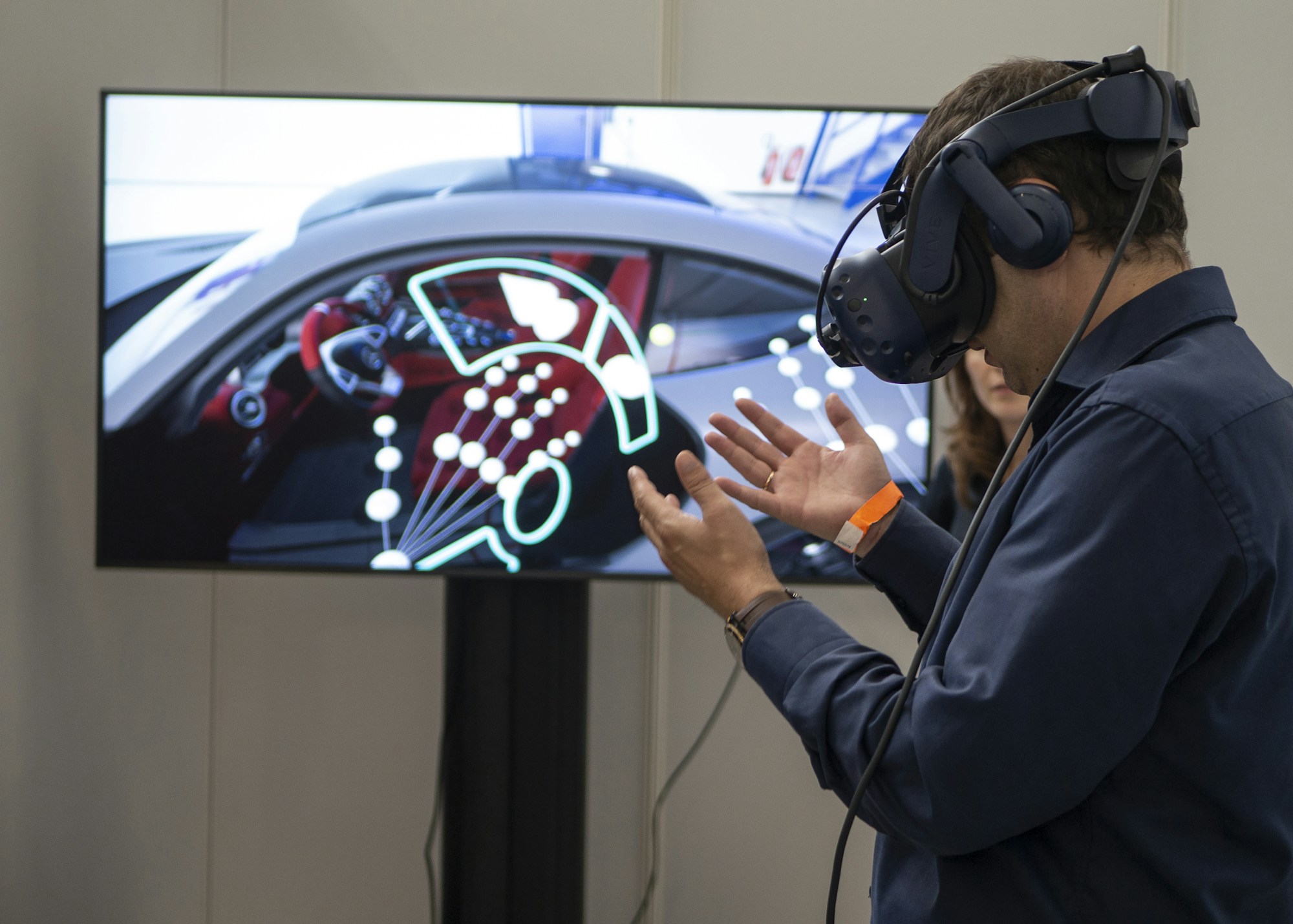
Virtual reality training for industrial workers was supposed to be a solved problem by now. Siemens, Honeywell, and a wave of startups have poured hundreds of millions into immersive training platforms that promise to onboard new operators faster, reduce safety incidents, and preserve institutional knowledge as experienced workers retire.
The technology works — sort of. A 2026 study from the Manufacturing Institute found that VR-trained workers could identify equipment components 28% faster than traditionally trained peers. But when it came to diagnosing real equipment failures, the advantage disappeared. VR-trained workers actually performed 12% worse on hands-on troubleshooting assessments.
The problem is fidelity. Industrial equipment behaves differently when it's worn, dirty, or operating at the edge of its tolerances. VR simulations model ideal conditions. The shop floor doesn't have ideal conditions.
"You can teach someone to identify a bearing in VR," said Dr. Maria Santos, director of Georgia Tech's Manufacturing Education Lab. "You can't teach them what a failing bearing sounds like at 3 AM when the plant is vibrating."
The most promising approaches combine VR with augmented reality overlays on actual equipment. Scope AR and PTC's Vuforia are leading this hybrid model, using AI to generate step-by-step guidance overlaid on real machines. It's slower to scale but produces operators who can actually fix things.
Want deeper analysis?
VIP members get daily briefings, implementation playbooks, and vendor scorecards.
Unlock VIP AccessSiemens MindSphere
From $499/moIndustrial IoT platform for connecting machines and optimizing operations.
Try Free →