Physical AI Arrives on the Warehouse Floor: KION and GXO's Autonomous Truck Goes Live
At GTC 2026, KION and GXO revealed the first AI-driven autonomous industrial truck operating in a live, high-volume warehouse — a milestone that signals the physical AI era has genuinely arrived.
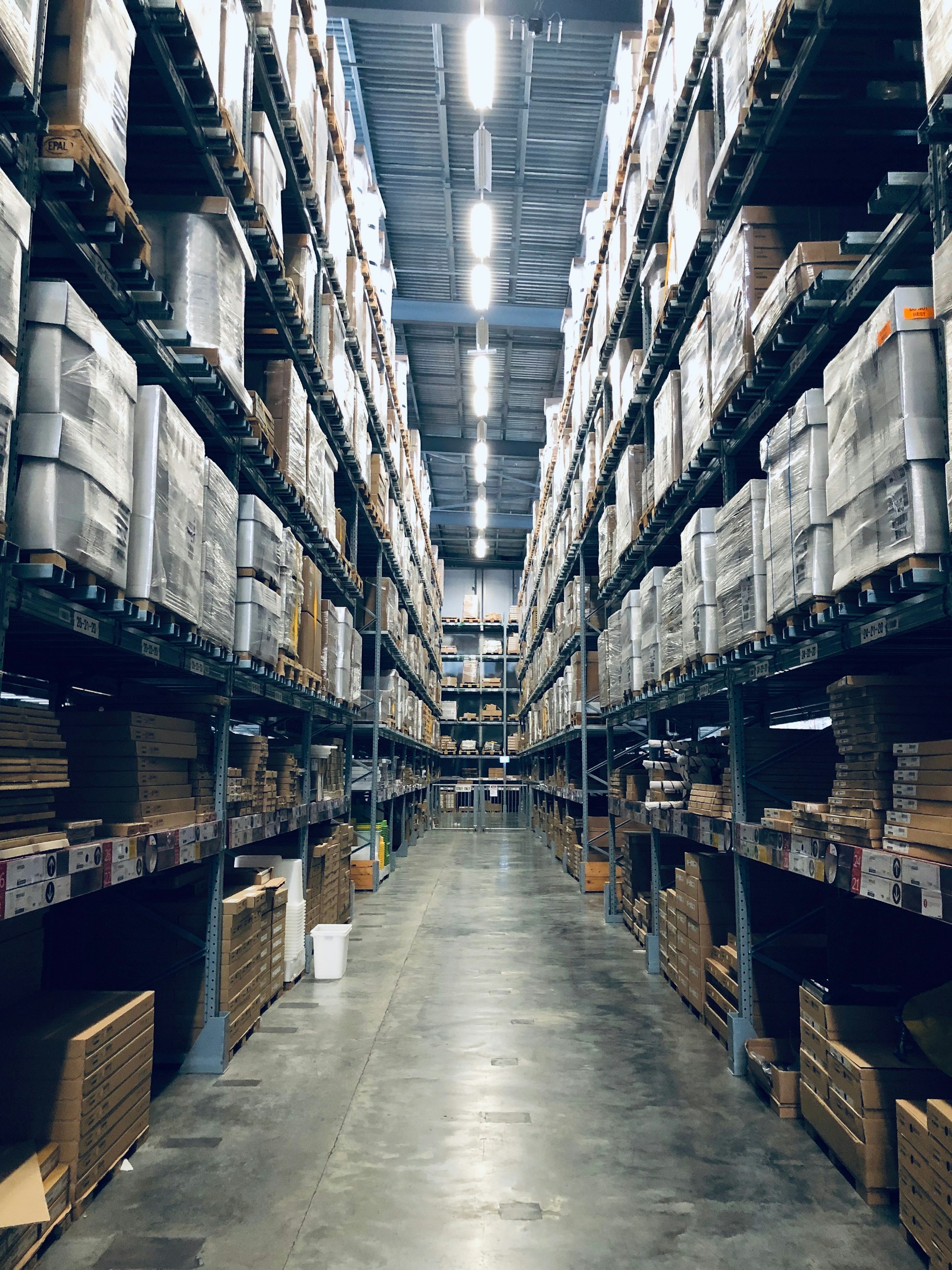
In a live warehouse facility in Épinoy, France, an autonomous industrial truck is navigating aisles, detecting pallets, and completing end-to-end transport missions — without a human operator. This isn't a controlled demo. It's a production environment, and it's running today.
The deployment, carried out by KION Group and GXO Logistics using NVIDIA's physical AI platform, represents one of the most concrete milestones yet in the industry's push to bring autonomous robotics out of the lab and onto the actual warehouse floor. KION showcased the results at NVIDIA's GTC 2026 conference in San José, California, in March — and the implications for logistics and contract manufacturing are significant.
How It Works
The autonomous truck uses AI-based ceiling cameras and onboard sensors to detect pallets, plan routes, and execute transport missions in a live, high-volume warehouse shared with human workers and manual forklifts. It operates using NVIDIA's Halos foundation model — a safety-certified human detection system fine-tuned with KION's proprietary intralogistics data — which localizes both humans and industrial trucks in real time to enable safe co-existence on the floor.
Behind the system is a large-scale, physics-accurate digital twin built using NVIDIA Omniverse, developed with Accenture, that KION used to train and validate the autonomous truck's behavior before deploying it to the physical facility. The digital twin allowed engineers to run thousands of simulated scenarios — including edge cases that would be dangerous or impractical to test in a real warehouse — before the truck ever drove autonomously in production.
GXO, the world's largest pure-play contract logistics provider, serves as the operational partner. Their Épinoy facility is now the first in the world to run a KION-powered autonomous industrial truck in a live, commercial-scale environment. It's a meaningful validation: GXO doesn't run experiments for the press. They run warehouses.
What "Physical AI" Actually Means Here
NVIDIA CEO Jensen Huang has been forceful about the concept of "physical AI" — intelligence that can sense, reason, and act in the real world rather than just generating text or images. The KION/GXO deployment is physical AI in its most literal industrial form: a machine perceiving its environment, making decisions, and executing physical work autonomously at commercial scale.
What makes the deployment particularly notable is what it doesn't rely on. The truck doesn't require fixed infrastructure like reflective tape, QR codes, or magnetic floor strips that older autonomous guided vehicle (AGV) systems depend on. It navigates through perception — reading the environment as a human operator would, but faster and without fatigue.
KION also demonstrated a second application at GTC: safety-certified human detection for automated trailer loading, a notoriously complex task that requires recognizing human presence in unpredictable configurations near heavy machinery. The NVIDIA Halos model, operating in real time, provides the safety layer that makes this application viable in regulated environments.
The Bigger Picture for Logistics
The logistics sector has been talking about autonomous warehouse operations for years, but deployments at commercial scale have remained elusive — constrained by the brittleness of earlier AI systems, the cost of custom infrastructure, and the regulatory complexity of operating robots near people.
The KION/GXO/NVIDIA deployment suggests those barriers are eroding faster than the industry expected. Physics-accurate digital twins, foundation models trained on industrial-specific data, and AI-driven safety certification are converging into a deployable stack. NAPA's agreement to expand Brightpik's mobile robot platform to additional sites — following a pilot that will eventually operate over 100 robots at a single location — points to the same trend: autonomous logistics is moving from proof-of-concept to operational rollout.
For contract logistics providers and manufacturers managing large warehouse footprints, the competitive pressure to adopt is growing. GXO's willingness to put an autonomous truck into live production signals that the technology has crossed a threshold of reliability that their operations team trusts. The rest of the industry is watching.
Want deeper analysis?
VIP members get daily briefings, implementation playbooks, and vendor scorecards.
Unlock VIP AccessSiemens MindSphere
From $499/moIndustrial IoT platform for connecting machines and optimizing operations.
Try Free →