Maximo's Robots Just Installed 100 Megawatts of Solar — and They're Twice as Fast as Human Crews
AES-incubated Maximo reaches a utility-scale milestone in Southern California, proving that AI-driven robots can install solar panels at double the pace of traditional crews while maintaining field reliability.
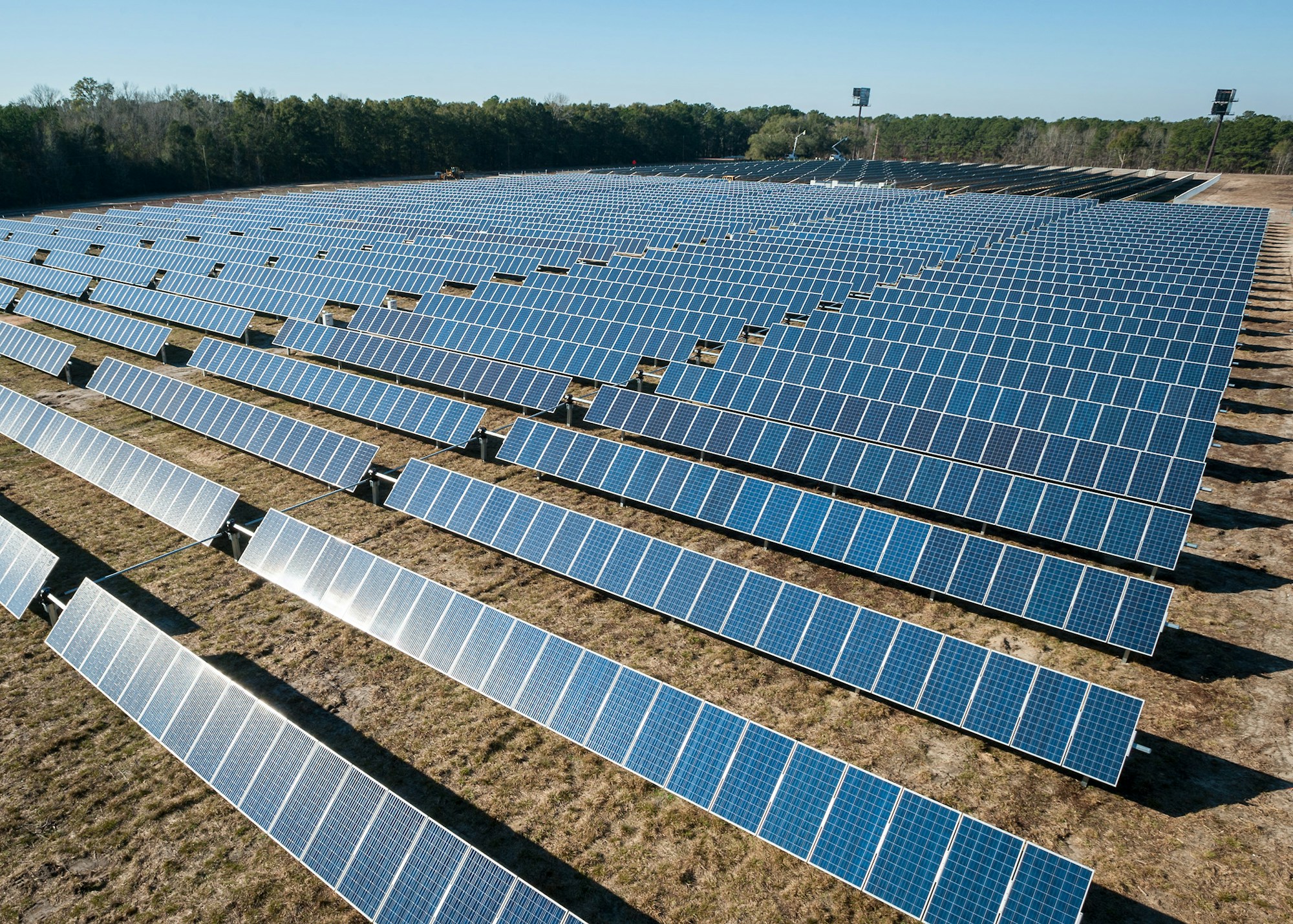
The solar construction industry just got its proof point. Maximo, the robotics company incubated by energy giant AES, announced it has completed 100 megawatts of utility-scale solar installation at the Bellefield complex in Southern California—all using AI-driven robots that consistently outperform human installation crews by a factor of two.
The milestone marks the transition of robotic solar construction from a pilot curiosity to a commercially validated method. And the performance numbers are hard to argue with: Maximo's version 3.0 robots sustained installation rates exceeding one module per minute, with crews averaging 24 panels per hour per person. At peak throughput, robot-equipped teams nearly doubled the output of conventional crews working comparable sites in the same region.
NVIDIA's Role Behind the Scenes
The robots themselves are impressive, but the development pipeline behind them may matter more in the long run. Maximo leveraged NVIDIA's AI infrastructure stack extensively—using NVIDIA Omniverse libraries and the Isaac Sim open robotics simulation framework to develop, test, and refine robotic capabilities through physics-based simulation before deploying updates to the field.
This simulate-first-deploy-second workflow addresses one of the biggest pain points in field robotics: the cost and risk of iterating on hardware in uncontrolled outdoor environments. By running thousands of simulated installation cycles under varying terrain, wind, and temperature conditions, Maximo's engineering team can push software updates to the fleet with confidence that they'll perform as expected on actual job sites.
Marc Spieler, NVIDIA's Senior Director of Energy, described the project as a demonstration of how physical AI can accelerate real-world energy infrastructure deployment. The framing is deliberate: NVIDIA is positioning its simulation and AI training tools as essential infrastructure for any company building robots that operate in complex, unstructured environments.
Why Speed Matters More Than You Think
The solar industry's bottleneck isn't panel manufacturing—global module production capacity far exceeds installation rates. The constraint is labor. The U.S. solar workforce faces persistent shortages of skilled installers, and project timelines routinely slip because crews can't be hired fast enough to meet deployment targets mandated by the Inflation Reduction Act and state renewable portfolio standards.
Robotic installation doesn't eliminate human workers from the equation—Maximo's system still requires human operators and supervisors on site. But it dramatically changes the ratio of megawatts installed per worker-hour, which is the metric that ultimately determines whether the U.S. can meet its clean energy targets on schedule.
From 100 MW to 1 GW
The Bellefield complex where Maximo hit its milestone is part of a larger 1-gigawatt AES project. Scaling from 100 MW to the full project will test whether robotic installation can maintain its speed advantage across different terrain types, panel configurations, and weather windows within the same mega-site.
If it can, the implications extend well beyond a single project in the California desert. Every utility-scale solar developer in the country is watching Maximo's throughput data, because the economics of robotic installation at this speed could reshape project financing models, reduce construction risk premiums, and fundamentally alter the timeline for decarbonizing the U.S. grid.
The robots, it turns out, aren't just faster. They may be the only way to build solar at the pace the energy transition demands.
Want deeper analysis?
VIP members get daily briefings, implementation playbooks, and vendor scorecards.
Unlock VIP AccessSiemens MindSphere
From $499/moIndustrial IoT platform for connecting machines and optimizing operations.
Try Free →