NVIDIA and Emerald AI Want to Turn Data Centers Into Grid Assets — and Six Major Utilities Are on Board
A new alliance between NVIDIA, Emerald AI, and six U.S. energy heavyweights aims to build AI factories that flex their power consumption to stabilize — not strain — the electrical grid.
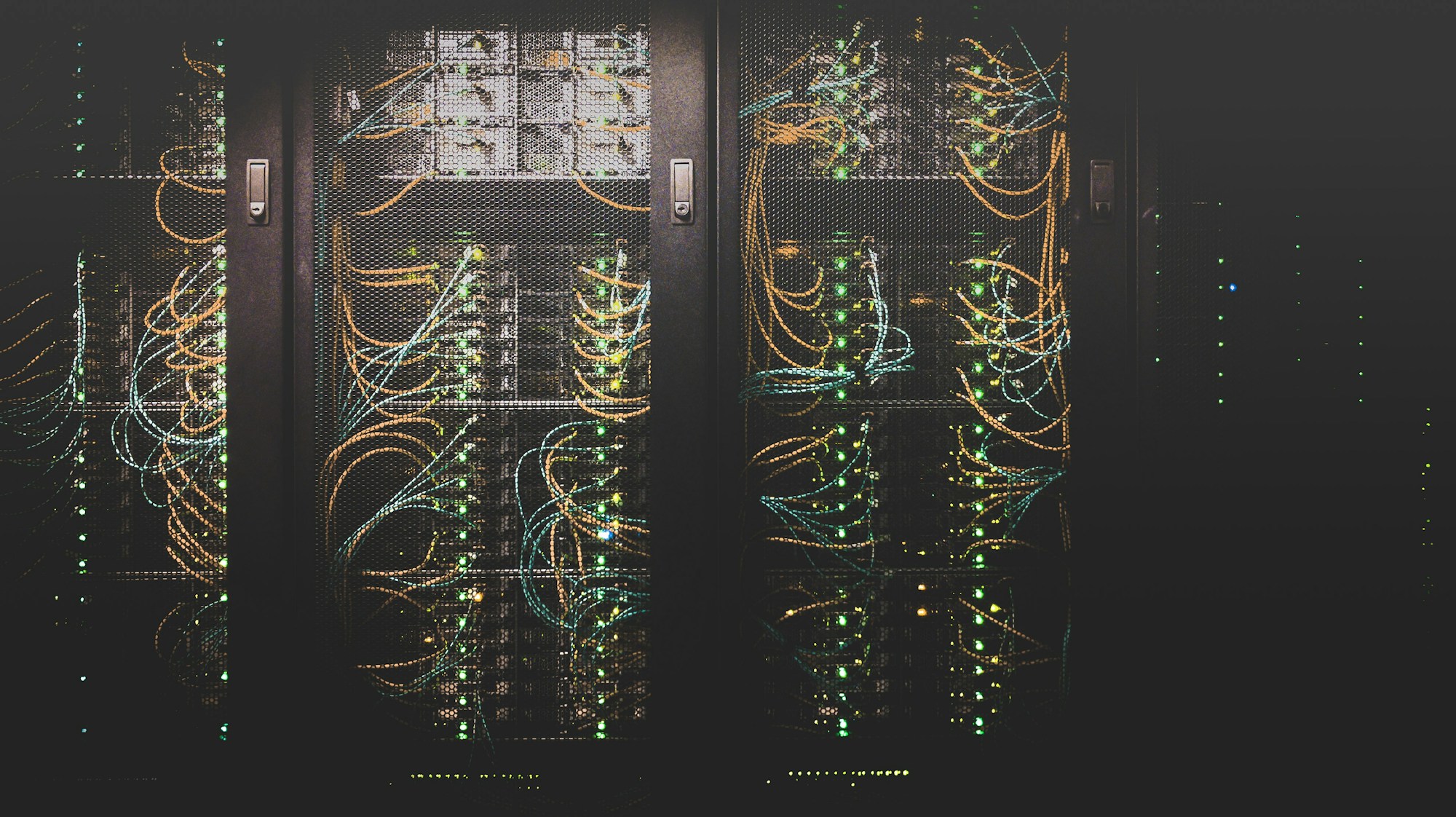
The narrative around AI and energy has been almost uniformly dire: data centers are devouring electricity, straining aging grids, and threatening blackouts. But a coalition announced at CERAWeek 2026 is pushing a fundamentally different thesis. NVIDIA and Emerald AI, joined by AES, Constellation, Invenergy, NextEra Energy, Nscale Energy & Power, and Vistra, are building a new class of AI facility designed to function not as a grid burden but as a grid asset.
The Core Concept: Computational Flexibility
The idea hinges on a simple observation: not all AI workloads are time-critical. Training runs, inference batches, and data preprocessing can often be shifted, paused, or throttled without meaningful impact on output quality. If a data center can modulate its power draw in response to real-time grid conditions — ramping down during peak demand, ramping up when renewables are overproducing — it transforms from a passive load into an active participant in grid balancing.
NVIDIA's contribution is the Vera Rubin DSX AI Factory reference design, which includes what the company calls the DSX Flex software library. This layer sits between the compute orchestrator and the facility's power systems, enabling automated response to grid signals. When the grid operator says "shed load," the software can identify deferrable workloads and scale them back in seconds, not hours.
Emerald AI's Conductor Platform
Emerald AI's role is orchestration. Its Conductor platform manages the interplay between computational workload scheduling, onsite generation assets like natural gas turbines or battery storage, and grid interconnection agreements. The platform promises to deliver what Emerald calls "precise, grid-responsive power flexibility" while maintaining quality-of-service guarantees for AI compute tenants.
In practice, this means an AI factory running Conductor could draw 200 megawatts from the grid during off-peak hours, drop to 80 megawatts during a summer peak event by shifting to onsite generation and deferring non-critical workloads, and then ramp back up when conditions allow. The grid sees a responsive, predictable load rather than an insatiable one.
Why Utilities Signed Up
The six energy partners read like a cross-section of America's power landscape. NextEra is the world's largest generator of wind and solar energy. Constellation operates the nation's largest fleet of nuclear plants. Vistra runs natural gas and nuclear assets across multiple ISOs. Their participation suggests this isn't a tech-industry vanity project — it addresses a real operational pain point for grid operators watching interconnection queues balloon with data center requests.
PJM Interconnection, the largest U.S. grid operator, has warned of potential supply shortfalls of up to 60 gigawatts in coming decades. If even a fraction of planned data center capacity can operate flexibly, the math changes. Instead of forcing utilities to build peaking plants that run a few hundred hours a year, flexible AI factories could provide demand response at a scale that dwarfs traditional programs.
The Catch
Flexibility sounds elegant in a press release. In practice, it requires AI workload managers to accept that their training runs might slow down during a heat wave. It requires interconnection agreements that reward flexibility rather than penalizing variable consumption. And it requires regulators to create rate structures that make grid-responsive operation financially attractive.
None of those pieces are trivial. But the alternative — a proliferating "shadow grid" of off-grid data centers running natural gas generators with no grid interaction at all — is worse for everyone. The NVIDIA-Emerald alliance is betting that integration beats isolation, and that the AI industry's massive energy appetite can be turned from a liability into infrastructure that the grid actually needs.
Want deeper analysis?
VIP members get daily briefings, implementation playbooks, and vendor scorecards.
Unlock VIP AccessSiemens MindSphere
From $499/moIndustrial IoT platform for connecting machines and optimizing operations.
Try Free →