NVIDIA and Emerald AI Want to Turn Data Centers Into Grid Assets — Not Just Grid Burdens
A coalition led by NVIDIA and Emerald AI is reframing massive AI data centers as flexible energy resources that stabilize the grid rather than strain it, with backing from AES, Constellation, and NextEra Energy.
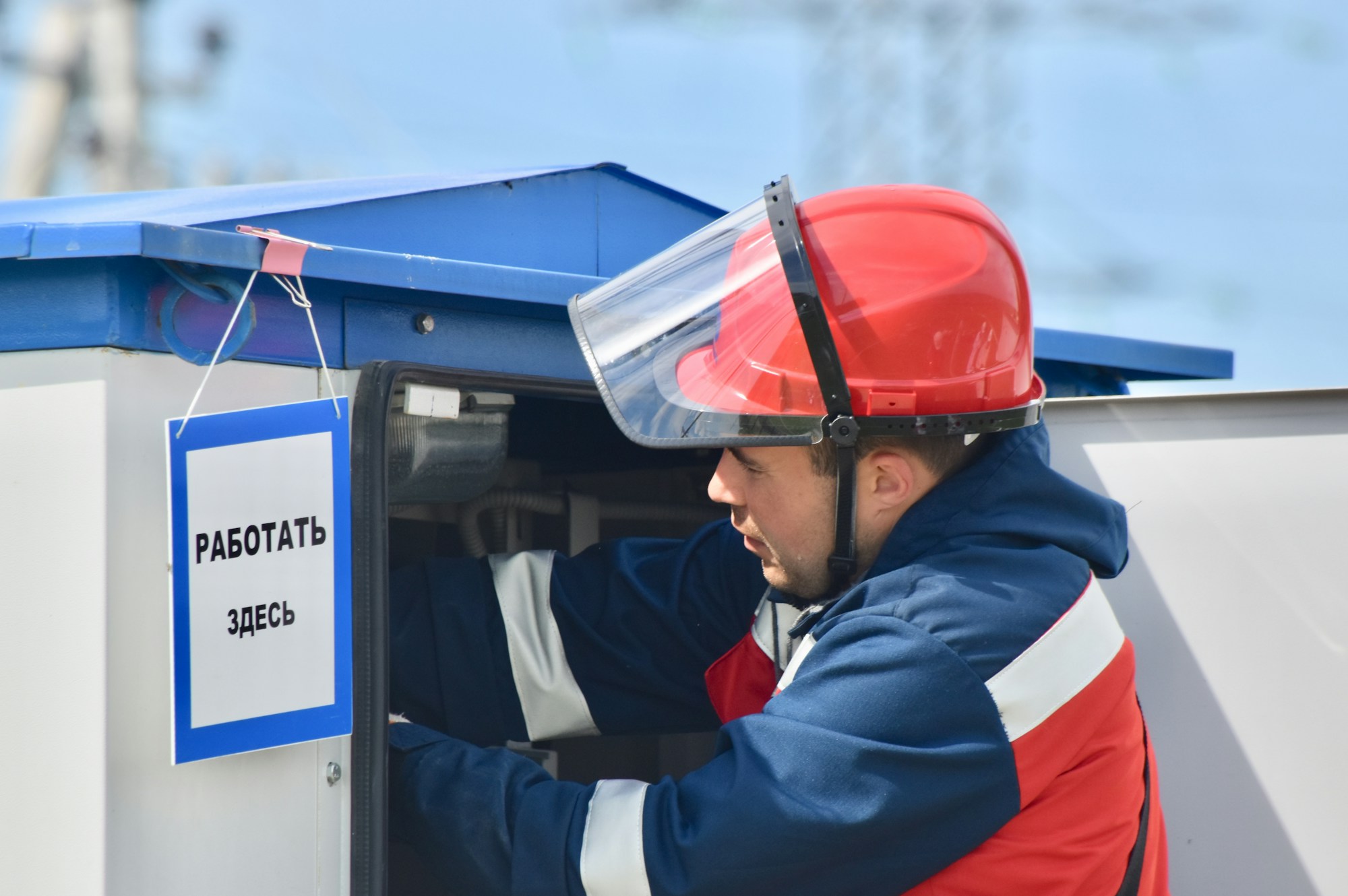
The dominant narrative around AI data centers and the power grid has been one of alarm: billions of watts of new demand threatening to overwhelm aging infrastructure. NVIDIA and startup Emerald AI are betting that narrative has it backward. Their pitch, unveiled at CERAWeek and now gaining traction with major energy producers, reframes AI factories not as grid parasites but as flexible, dispatchable assets that can actually shore up system reliability.
The coalition behind the initiative reads like a who's-who of American power generation: AES, Constellation, Invenergy, NextEra Energy, Nscale Energy & Power, and Vistra. Together, they're working to deploy a new class of AI computing facilities designed to throttle workloads up or down in response to real-time grid conditions.
How Power-Flexible AI Factories Work
The technical foundation combines two platforms. NVIDIA's Vera Rubin DSX AI Factory reference design provides the computing architecture—racks of GPUs optimized not just for throughput but for granular power management. Emerald AI's Conductor platform layers on top, orchestrating workloads so that AI training and inference jobs shift dynamically based on electricity pricing, grid frequency signals, and renewable energy availability.
In practice, this means an AI factory could run at full tilt during overnight hours when wind generation peaks and demand drops, then curtail non-critical batch jobs during a summer afternoon when air conditioning loads strain the grid. The facility still generates valuable AI tokens and intelligence around the clock; it simply prioritizes when and how hard it runs different job classes.
The Scale of the Opportunity
The numbers are staggering. According to NVIDIA's estimates, power-flexible AI factories could help unlock up to 100 gigawatts of usable capacity across the U.S. power system—not by building 100 GW of new generation, but by using existing and planned assets more efficiently. The key insight is that AI workloads, unlike residential air conditioning or hospital power, are inherently interruptible and shiftable. That makes them ideal participants in demand-response markets.
For grid operators, the appeal is obvious. Every megawatt of AI load that can be curtailed during peak stress is a megawatt that doesn't require a new peaker plant or transmission upgrade. For AI companies, flexibility translates into faster grid interconnection—often the single biggest bottleneck in bringing new compute capacity online.
A New Metric: Tokens Per Watt
The initiative also signals a broader shift in how AI infrastructure performance is measured. The industry is moving beyond raw FLOPS and tokens-per-second toward tokens-per-second-per-watt as the defining benchmark. Energy efficiency isn't a sustainability nice-to-have anymore; it's becoming the economic constraint that determines whether a data center project pencils out.
Emerald AI's CEO has framed the company's role as providing "a fast pass for data center grid connects," a description that captures the real bottleneck. Permitting and interconnection queues for large-load data centers now stretch three to five years in many U.S. markets. Demonstrating grid-supportive behavior could become the differentiator that moves a project to the front of the line.
The Catch
The model works best for batch AI workloads—large training runs, offline inference, and data processing. Real-time inference serving latency-sensitive applications is harder to flex without degrading service quality. The coalition will need to prove that enough of the AI workload mix is genuinely shiftable to deliver meaningful grid benefits, not just marginal ones.
Still, the direction is clear: the energy sector and the AI sector are converging, and the companies that figure out how to make that convergence mutually beneficial—rather than adversarial—will define the next decade of both industries.
Want deeper analysis?
VIP members get daily briefings, implementation playbooks, and vendor scorecards.
Unlock VIP AccessSiemens MindSphere
From $499/moIndustrial IoT platform for connecting machines and optimizing operations.
Try Free →