Physical AI Hits Its Inflection Point as NVIDIA's Industrial Robotics Ecosystem Expands
From ABB and FANUC to humanoid startups like Figure and Agility, the NVIDIA physical AI ecosystem now spans the full spectrum of industrial robotics — and 2026 is the year it goes operational.
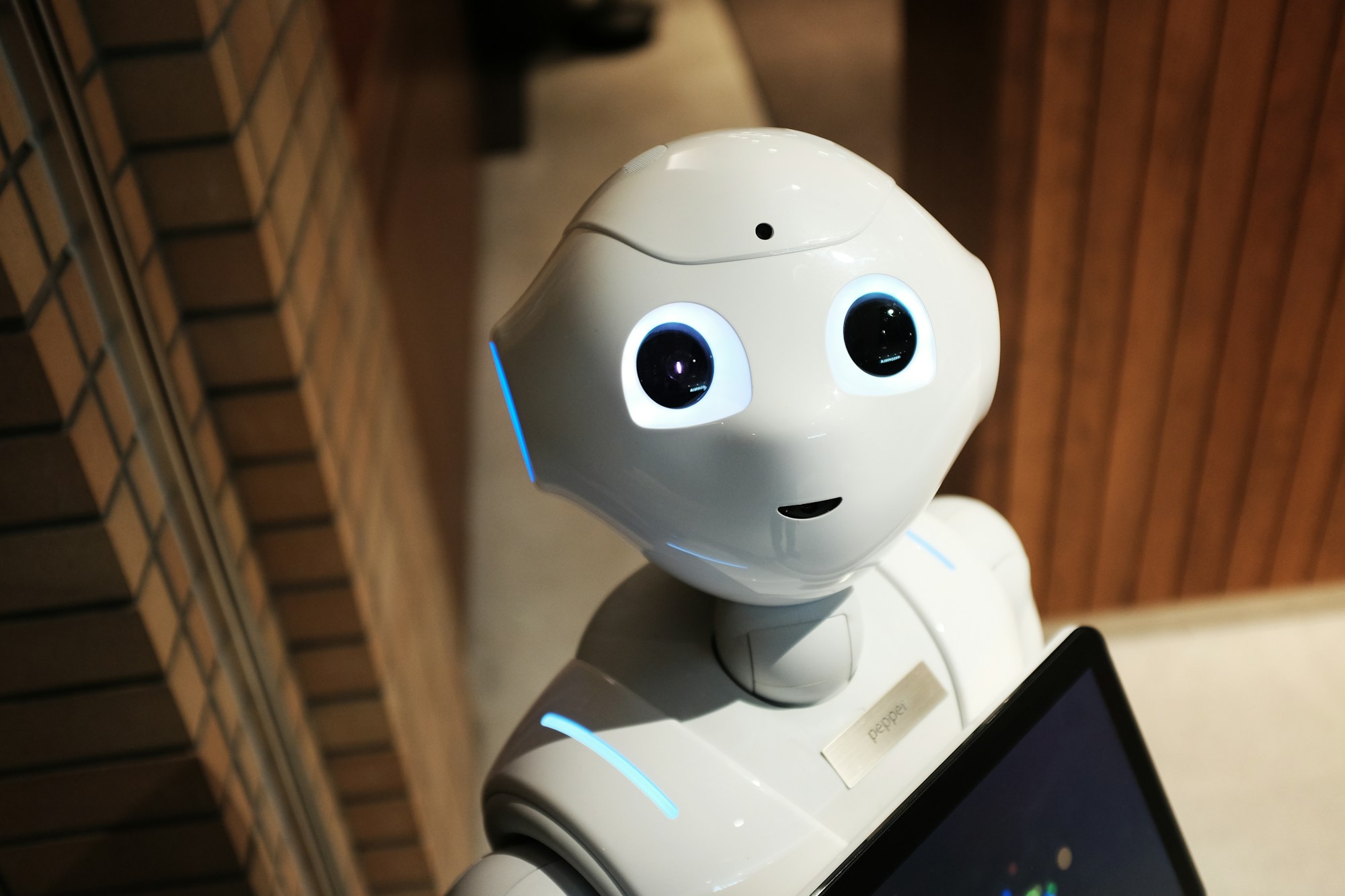
For years, "physical AI" was a research concept — impressive in demos, absent from production floors. That's changing fast. In 2026, the convergence of foundation models, simulation-to-real transfer, and purpose-built robotics hardware has brought physical AI to the threshold of industrial deployment, and the ecosystem forming around NVIDIA's platform tells the story of where it's headed.
The Ecosystem Takes Shape
The roster of companies now building on NVIDIA's robotics stack reads like a who's who of industrial automation. ABB Robotics, FANUC, KUKA, Universal Robots, and YASKAWA — the established giants that collectively dominate factory automation worldwide — are all integrating NVIDIA's physical AI capabilities into their next-generation systems.
But the more telling development is who else is at the table. Figure, Agility, and AGIBOT represent the humanoid robotics wave. Hexagon Robotics brings metrology and precision measurement. Skild AI and World Labs contribute foundational models for spatial reasoning and physical understanding. Even surgical robotics firms like CMR Surgical and Medtronic are building on the same underlying platform.
This breadth matters. Physical AI isn't a single product category — it's a capability layer that spans everything from a six-axis welding arm to a bipedal warehouse assistant. The fact that all of these companies are converging on a shared infrastructure suggests the technology has matured past the point of fragmented experimentation.
Simulation-to-Real at Production Quality
The critical bottleneck for physical AI has always been the gap between simulated environments and real-world conditions. Robots that perform flawlessly in digital twins often stumble when confronted with the noise, variability, and imprecision of actual factory settings.
Recent advances have narrowed that gap dramatically. ABB and NVIDIA's RobotStudio HyperReality platform, announced earlier this month, claims 99% simulation-to-real accuracy — a threshold that, if it holds across diverse applications, fundamentally changes the economics of robotic deployment. Instead of weeks of manual programming and on-site tuning, manufacturers could develop, test, and validate robotic workflows entirely in simulation before deploying them to physical cells.
What "Physical AI" Actually Means for Factories
Strip away the marketing language and what physical AI delivers is straightforward: robots that can perceive unstructured environments, adapt to variation, and make decisions without being explicitly programmed for every scenario. A pick-and-place system that handles parts it hasn't seen before. A mobile robot that navigates a factory floor that changes layout weekly. A welding system that adjusts parameters in real time based on material inconsistencies.
These capabilities have been demonstrated individually for years. What's new is the systems-level integration that makes them deployable at scale — consistent software frameworks, pre-trained models that transfer across hardware platforms, and simulation environments realistic enough to serve as development tools rather than just visualization aids.
The Deployment Reality Check
Industrial adoption of physical AI will still be gradual and uneven. Most factories run on equipment installed decades ago, with control systems that predate modern networking standards. Integrating AI-capable robots into these brownfield environments requires not just new hardware but new data infrastructure, new safety protocols, and workforce training.
The companies most likely to move first are those already running modern automation — automotive, electronics, and logistics operations that have the digital infrastructure to support AI-driven systems. Heavy industry, food processing, and small-to-medium manufacturers will follow, but on longer timelines and with more customization required.
Still, the trajectory is unmistakable. Physical AI is no longer a research project looking for applications. It's an industrial capability looking for scale.
Want deeper analysis?
VIP members get daily briefings, implementation playbooks, and vendor scorecards.
Unlock VIP AccessSiemens MindSphere
From $499/moIndustrial IoT platform for connecting machines and optimizing operations.
Try Free →