SEER Robotics Is Bringing 2,000 Robot Models Under One Platform — and MODEX 2026 Is the Coming-Out Party
At MODEX in Atlanta, SEER Robotics is demonstrating a control platform that orchestrates more than 2,000 robot models from a single interface — a direct challenge to the fragmented state of warehouse automation.
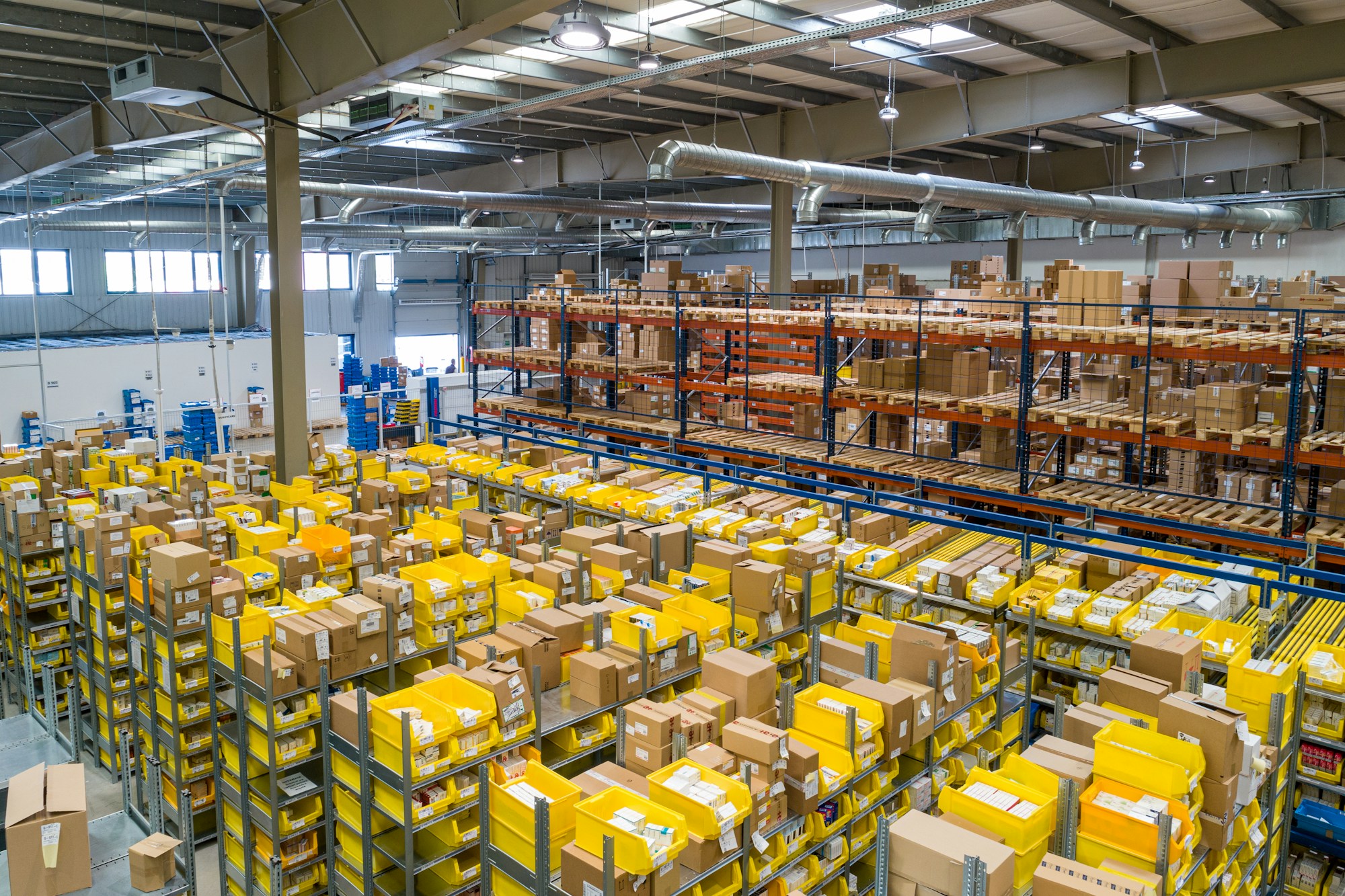
Walk into any large distribution center and you will likely find robots from three, four, or five different vendors — each with its own control software, its own mapping system, and its own fleet manager. Getting them to coexist is an integration headache that warehouse operators have largely accepted as the cost of automation. SEER Robotics, appearing at MODEX 2026 in Atlanta from April 13 to 16, is arguing that it doesn't have to be this way.
One Platform, 2,000 Robots
SEER Robotics' pitch is deceptively simple: a single control platform that can orchestrate more than 2,000 pre-validated robot models, from AMRs and AGVs to picking robots, mobile forks, and depalletizers. The system supports plug-and-play integration with over 400 types of robotic components and accessories, meaning a warehouse operator can theoretically swap out one vendor's AMR for another's without rearchitecting the entire control layer.
The company already serves industries ranging from electronics and pharmaceuticals to automotive and semiconductors. Its platform handles multi-robot orchestration — traffic management, task allocation, charging coordination — through a unified interface that abstracts away the hardware differences between machines.
What's on the Floor at MODEX
SEER is showcasing three machines that illustrate the breadth of its approach. The SPT-1500UL is a compact pallet truck designed for multi-pallet handling without infrastructure modification — no guide wires, no embedded magnets, just natural-feature navigation in existing aisles. The SLR-600UL is a line-side delivery robot built for precise material staging in factory environments, the kind of repetitive shuttle work that keeps assembly lines fed. And the SCT-50UL is a tote robot optimized for high-density storage and compact warehouse footprints where floor space is expensive.
All three run on SEER's navigation stack, which uses obstacle detection and path planning to operate safely in dynamic environments where forklifts, pallet jacks, and human workers share the same space. That coexistence capability is table stakes for any robot operating in a brownfield warehouse, but SEER's argument is that handling it at the platform level — rather than per-robot — reduces deployment time and integration cost.
The Fragmentation Problem
MODEX 2026 is packed with robotics vendors, each selling capable machines for specific tasks. The problem for warehouse operators is not a shortage of good robots — it is a shortage of good ways to make different robots work together. Every vendor's fleet management system is optimized for its own hardware. Cross-vendor orchestration usually means custom middleware, API bridges, and months of integration work.
SEER's unified platform attacks that fragmentation directly. If the 2,000-model claim holds up under real deployment conditions — and warehouse environments are unforgiving test beds — it could shift purchasing decisions from "which robot is best for this task" to "which robot is best for this task that also runs on our existing platform." That's a meaningful change in how automation gets specified, procured, and deployed.
The Competitive Landscape
SEER is not alone in pursuing platform-level orchestration. Several WMS and WES providers are building robot-agnostic coordination layers, and standards bodies are working on interoperability protocols. But SEER's advantage is that it comes at the problem from the robot side rather than the software side, with deep integration into the hardware's navigation, sensing, and motion planning.
For logistics operators evaluating their next wave of automation investment, MODEX 2026 will be a useful litmus test: can a single platform really manage a heterogeneous robot fleet at production scale, or is the "one platform" vision still more roadmap than reality? SEER's live demonstrations in Atlanta should provide at least a partial answer.
Want deeper analysis?
VIP members get daily briefings, implementation playbooks, and vendor scorecards.
Unlock VIP AccessSiemens MindSphere
From $499/moIndustrial IoT platform for connecting machines and optimizing operations.
Try Free →