SEER Robotics Brings Its 'One Platform, All Robots' Pitch to MODEX — and the Warehouse Industry Is Listening
At MODEX 2026 in Atlanta, SEER Robotics is showcasing a unified control platform that can run over 2,000 validated robot models from a single software layer — a direct challenge to the fragmentation plaguing warehouse automation.
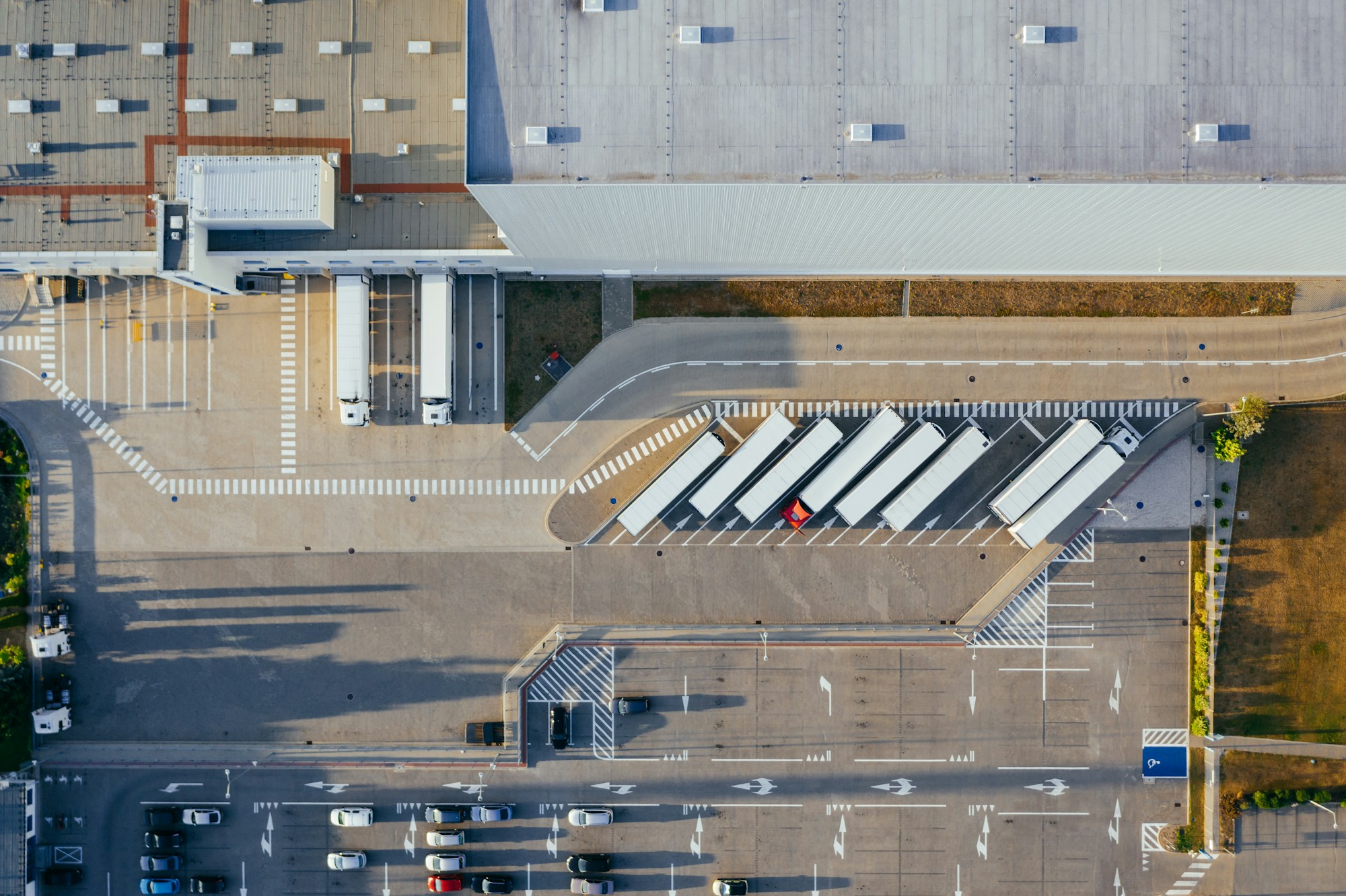
Walk the floor of any large warehouse operation and you'll find the same problem repeated in facility after facility: a patchwork of automation systems from different vendors, each running its own software, none talking to each other particularly well. SEER Robotics thinks it has the fix, and the company is making its case this month at MODEX 2026 in Atlanta.
The pitch is deceptively simple: one unified control platform that serves as the brain for every robot on the floor, regardless of manufacturer, form factor, or function. SEER's system currently supports more than 2,000 pre-validated robot models spanning autonomous mobile robots, picking systems, depalletizers, AGVs, and mobile forklifts. The idea is that a warehouse operator shouldn't need separate fleet management software for each class of machine.
The Fragmentation Problem
Warehouse automation has grown explosively over the past five years, but that growth has been chaotic. Most facilities adopted robots incrementally—an AMR fleet here, a palletizing cell there, a goods-to-person system in another aisle. Each deployment came with its own vendor-specific control software, its own mapping system, and its own way of communicating with the warehouse management system.
The result is what logistics consultants politely call "automation islands": individual pockets of efficiency that don't coordinate with each other and sometimes actively conflict. An AMR fleet might optimize its own routes without knowing that a forklift fleet is about to cross the same intersection. A picking robot might stage totes in a location that a palletizer can't reach.
SEER's value proposition is interoperability at the control layer. Its platform provides unified navigation, traffic management, and task orchestration across every machine on the floor. When a new robot type is added—say, a specialized cold-storage AMR—it plugs into the same control framework rather than requiring a parallel software stack.
What's on Display at MODEX
At its Atlanta booth, SEER is running live demos of several hardware platforms running on its unified software. The SPT-1500UL, a compact pallet truck designed for narrow-aisle environments where floor space is at a premium, is getting particular attention. So is the SCT-50UL, a tote robot built for high-density storage configurations that need to operate in tight quarters without sacrificing throughput.
Both machines showcase SEER's terrain-adaptive navigation, which uses real-time sensor fusion to handle the uneven floors, dock plates, and transition zones that trip up less sophisticated AMRs. It's a practical feature that matters more than it sounds—warehouse floors are rarely as flat and clean as the demo environments where most robots are initially tested.
The Platform Play
SEER's strategy mirrors what's happened in other industries when fragmented toolchains consolidated around platforms. The company doesn't manufacture most of the robots its software runs; instead, it partners with hardware OEMs who embed SEER's control stack into their machines. This asset-light approach lets SEER scale across geographies and robot types without the capital intensity of building hardware.
Founded in 2020, the company now claims deployments in more than 70 countries and is positioning itself as the default middleware layer for multi-vendor warehouse fleets. If the logistics industry follows the same pattern as industrial IT—where interoperability platforms eventually captured more value than any single hardware vendor—SEER's timing could be excellent.
For warehouse operators drowning in vendor-specific dashboards and siloed robot fleets, the promise of a single pane of glass is compelling. Whether SEER can deliver on that promise across the full complexity of real-world logistics operations is the question MODEX attendees will be trying to answer this month.
Want deeper analysis?
VIP members get daily briefings, implementation playbooks, and vendor scorecards.
Unlock VIP AccessSiemens MindSphere
From $499/moIndustrial IoT platform for connecting machines and optimizing operations.
Try Free →