Policy
Industrial regulation, the EU AI Act, export controls, safety certifications, government investment programs, and the standards shaping the future of industrial AI.

Policy
Two years after the CHIPS Act, leading-edge fabs are under construction but the industrial semiconductor supply chain — the chips that run factories — remains largely unaddressed.
Cole Rivera
Policy
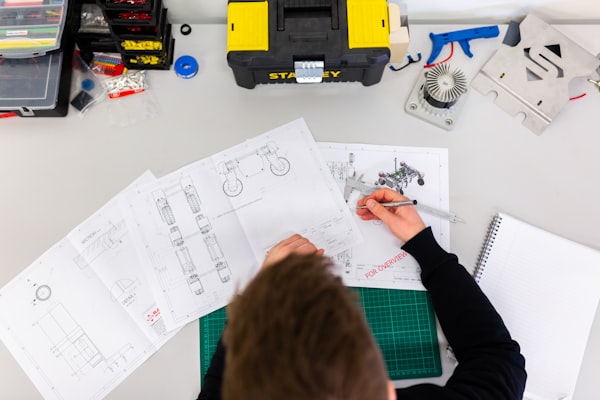
Right to repair is expanding beyond consumer electronics into industrial equipment, with four U.S. states enacting or proposing legislation covering CNC machines, robots, and heavy machinery.
Reese Whitman
Policy
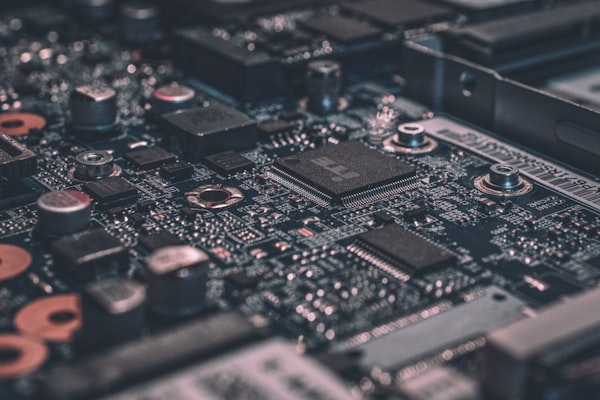
U.S. export controls on AI chips are creating unintended consequences for industrial automation supply chains, forcing equipment vendors to create region-specific product variants.
Jordan Sato

Policy
Carbon border adjustment mechanisms are going live in the EU, with similar proposals advancing globally. Here are five things manufacturers must prepare for.
Priya Iyer

Policy
OSHA has published its new Robotics Safety Framework with a tiered classification system for collaborative robots. Here is what changes for cobot deployments.
Mike Callahan

Policy
The EU AI Act is entering enforcement with provisions that will reshape industrial AI deployment. Here is what manufacturers operating in or exporting to Europe need to understand.
Anya Petrov