White House Releases National AI Policy Framework — What It Means for Industrial Operators
The Trump administration's new legislative blueprint for AI policy touches everything from workforce training to autonomous systems regulation, with direct implications for manufacturers and critical infrastructure operators.
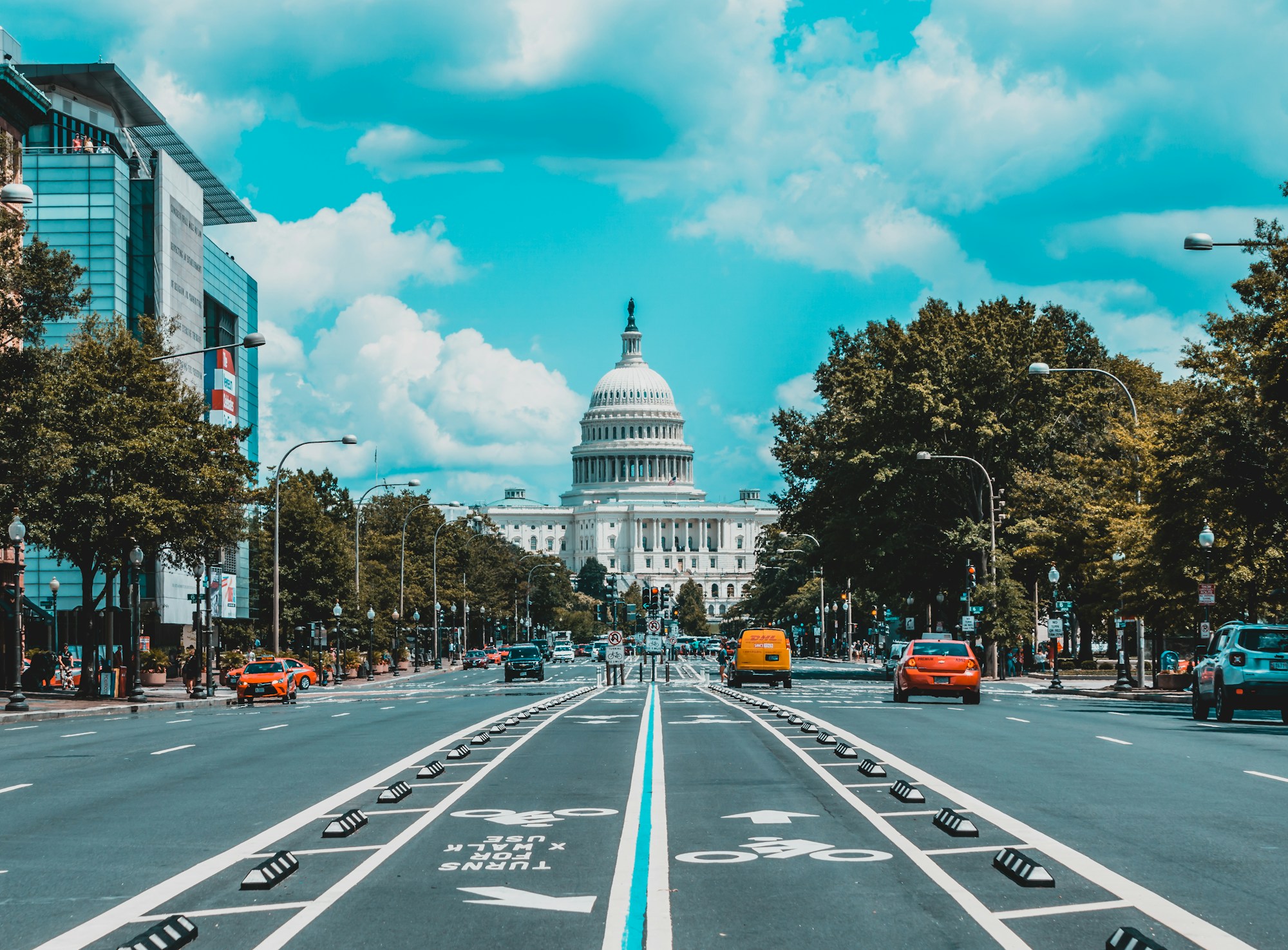
On March 20, the White House released its long-anticipated national AI policy framework — a legislative blueprint that lays out the administration's vision for how artificial intelligence should be governed, funded, and deployed across the American economy. For industrial operators who have been navigating an uncertain regulatory landscape while accelerating their own AI adoption, the document offers the clearest signal yet of where Washington intends to draw the lines.
The Framework's Core Architecture
The policy framework, developed pursuant to President Trump's December 2025 executive order on AI, is structured around several pillars: accelerating AI research and development, expanding workforce readiness, ensuring national security applications, and establishing guardrails for autonomous systems in critical infrastructure.
The workforce provisions are substantial. The framework calls for integrating AI into education and workforce training at scale, expanding federal research on AI-driven labor market impacts, and strengthening land-grant universities' capacity for technical skills development. For manufacturers facing an acute skilled labor shortage — one that AI adoption is both alleviating and complicating — these provisions signal meaningful federal investment in the pipeline of workers who can operate alongside AI systems.
Autonomous Systems and Critical Infrastructure
The sections most relevant to industrial operators deal with autonomous systems regulation and critical infrastructure protection. The framework proposes a tiered approach to autonomous systems oversight, with requirements scaling based on the operational context and potential consequences of system failure.
This matters directly for manufacturers deploying autonomous mobile robots, AI-driven process control, and predictive maintenance systems. Rather than a one-size-fits-all regulatory burden, the framework suggests that a robotic arm in a caged cell will face different requirements than an autonomous vehicle operating on a shared factory floor — a distinction the industry has been lobbying for.
Critical infrastructure provisions are more prescriptive. Operators in energy, water, transportation, and telecommunications will face specific requirements around AI system validation, cybersecurity integration, and human oversight thresholds. The framework aligns closely with recent CISA guidance on integrating AI into operational technology environments, suggesting a coordinated federal approach.
What's Missing
The framework is a legislative blueprint, not legislation. It outlines the administration's priorities and proposed structure but leaves the details of implementation to Congress and regulatory agencies. Key questions remain unanswered: What specific testing and validation standards will apply to AI systems in safety-critical industrial applications? How will existing sector-specific regulators — OSHA, the EPA, the NRC — incorporate AI oversight into their existing mandates?
There's also no clear timeline. Legislative blueprints can take years to become actual law, and the political dynamics around AI regulation remain fluid. Industry groups are already positioning to shape the specifics, with manufacturing trade associations pushing for voluntary standards and innovation-friendly frameworks while labor organizations advocate for stronger worker protection mandates.
The Industrial Operator's Takeaway
For companies already deploying industrial AI, the framework validates the general direction of travel without imposing immediate new requirements. The emphasis on workforce investment and tiered regulation aligns with what most industrial operators have been requesting.
The smarter play for manufacturers and infrastructure operators is to treat this framework as a roadmap for where compliance requirements will eventually land. Companies that build their AI deployment practices around the framework's principles now — documentation, validation, human oversight, workforce training — will be better positioned when the specifics arrive.
Washington has declared its intent. The industrial sector's job now is to shape the details while they're still being written.
Want deeper analysis?
VIP members get daily briefings, implementation playbooks, and vendor scorecards.
Unlock VIP AccessSiemens MindSphere
From $499/moIndustrial IoT platform for connecting machines and optimizing operations.
Try Free →